Key Considerations for Successful Open-Air Smart Display Deployment
Wiki Article
Open-Air networked signage has increasingly evolved into a communication solution for use by businesses, local governments, plus enterprises aiming for high public visibility combined with real-time information delivery. As opposed to inside screens, outdoor networked displays are required to remain effective without interruption across variable outdoor factors while maintaining high-quality display performance. An high-quality installation is based on careful technical planning, technical accuracy, along with a solid evaluation regarding location-based conditions. Elements such as location evaluation, climatic conditions, and infrastructure support all determine operational results. Considering these factors early serves to lower upkeep problems while ensures sustained functional durability.
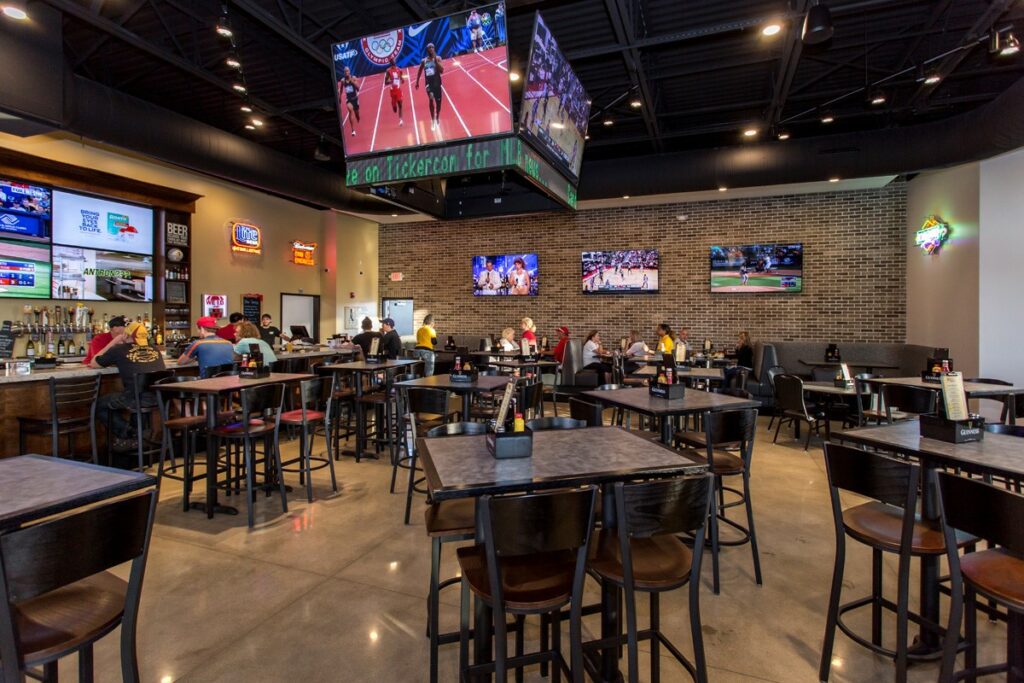
A primary factors of external digital advertising installation centers on site selection analysis combined with visibility. The positioning for screen needs to match with expected walkway movement, roadway sightlines, and audience spacing. Panel format, image resolution, plus light output specifications are required to suit the environment to ensure messages stays legible across intense solar conditions along with nighttime settings. Surface reflection mitigation, sight angles of view, and surrounding structures also affect audience response. Careful installation preparation helps achieve successful communication distribution and also supporting conformity to relevant regional development and outdoor signage requirements.
Weather-related safeguarding remains a further critical factor related to exterior networked visual system setups. Signage units are required to remain fully installed inside durable housings built specifically to endure water exposure, airborne dust, dampness, along with temperature extremes. Adequate weather rating classifications, air circulation features, as well as temperature regulation systems serve to limit overheating as well as component damage. Structural stability is also visit site important, since mounting systems should bear wind-related stress and movement over periods. Such protective actions maximize hardware operational life while also reduce overall operational interruptions.
Utility as well as communication frameworks serve a function in stable smart visual platform functionality. Outdoor installations demand safe electrical distribution, earthing systems, along with power surge defense to guard against electrical fluctuations. Network access, either fiber-based or radio-based networks, must enable consistent content transfer for ongoing display refreshes and network tracking. Electrical cable management plus protective routing needs to meet technical best practices to help protect against physical harm along with weather stress. Well-planned infrastructure planning preparation ensures uninterrupted information distribution and efficient system operation.
Visual content strategy plus support processes finalize a open-air smart signage setup. Displayed information is expected to remain formatted to allow immediate understanding, through correct typeface sizes, contrast, as well as dynamic limits optimized to outdoor viewing. Routine upkeep programs, including software upgrades, display checks, along with surface cleaning, help ensure image clarity and overall system uptime. Performance monitoring tools platforms help identify anomalies in advance and see allow for planned maintenance. When technical execution execution plus message control work together, external smart signage becomes a long-term plus effective information tool.